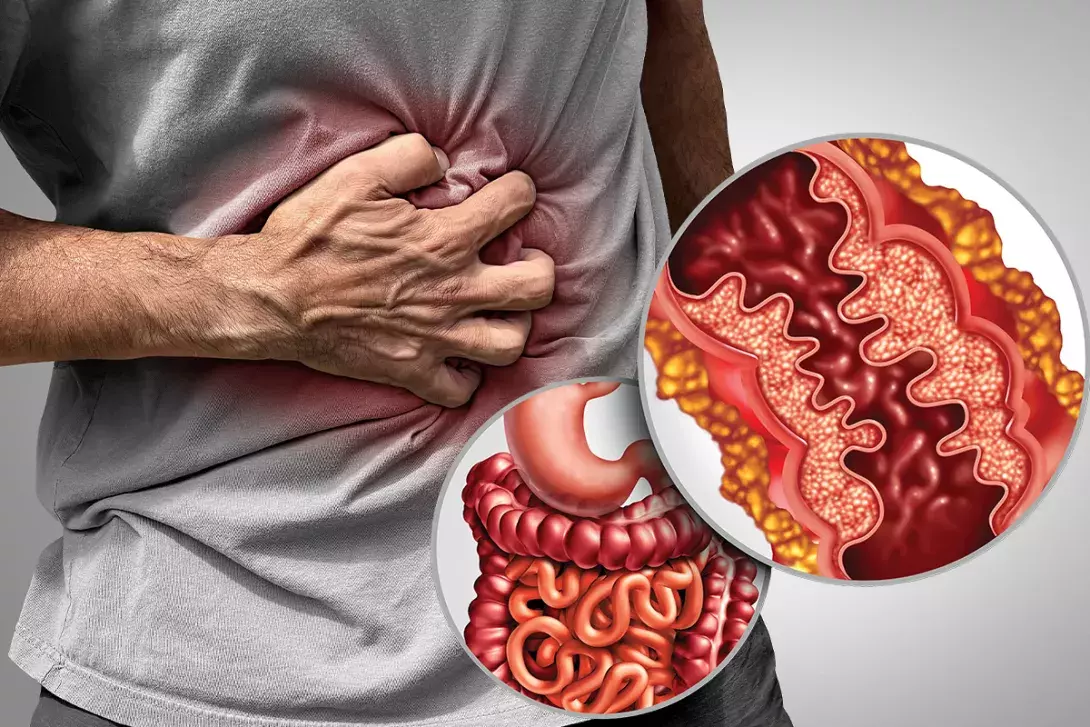
Crohn Disease

“Signs and symptoms of Crohn’s disease can range from mild to severe. They usually develop gradually but sometimes will come on suddenly, without warning. You may also have periods of time when you have no signs or symptoms (remission).

In Crohn’s disease, any part of your small or large intestine can be involved. Thus, the majority of symptoms associated with this illness are gastrointestinal-related; however, skin, joints, eyes, kidneys, and liver may also be affected.

When the disease is active, symptoms typically include:

  • Diarrhea
  • Fever
  • Fatigue
  • Abdominal pain and cramping
  • Blood in your stool
  • Mouth sores
  • Reduced appetite and weight loss
  • Anal fistula


People with severe Crohn’s disease may also experience symptoms outside of the intestinal tract, including:


  • Inflammation of skin, eyes and joints
  • Inflammation of the liver or bile ducts
  • Kidney stones
  • Iron deficiency (anemia)
  • Delayed growth or sexual development in children


“Risk factors for Crohn’s disease may include:

  • Age: Crohn’s disease can occur at any age, but most people who develop Crohn’s disease are diagnosed before they are around 30 years old.
  • Ethnicity: Although Crohn’s disease can affect any ethnic group, whites have the highest risk. Crohn’s disease is also being increasingly seen in the Middle Eastern population.
  • Family history. You’re at higher risk if you have a first-degree relative with the disease, such as a parent, sibling or child. As many as 1 in 5 people with Crohn’s disease has a family member with the disease.
  • Cigarette smoking: Cigarette smoking is the most important controllable risk factor for developing Crohn’s disease. Smoking also leads to more severe disease and a greater risk of having surgery. If you smoke, it’s important to stop.
  • Nonsteroidal anti-inflammatory medications: These include ibuprofen, naproxen, diclofenac and others. They do not cause Crohn’s disease but can lead to bowel inflammation that worsens Crohn’s disease.
  • Diet: Increased dietary intake of total fat, animal fat, and polyunsaturated fatty acids has been correlated with an increased incidence of Crohn’s disease.